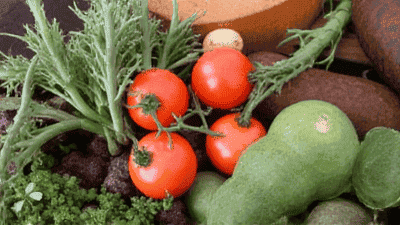
In today's world, the intersection of health and sustainability is more crucial than ever. As we become increasingly aware of the impact of our food choices on our well-being and the environment, the concept of a "Zero Taste Kitchen" has arisen.
As the weather warms up and the days grow longer, barbecue season arrives, offering the perfect opportunity for gatherings with family and friends. However, the environmental impact of traditional BBQ practices—ranging from meat production to single-use plastics—can put a damper on your outdoor festivities.
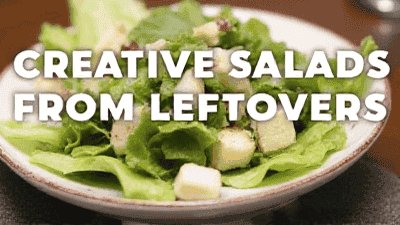
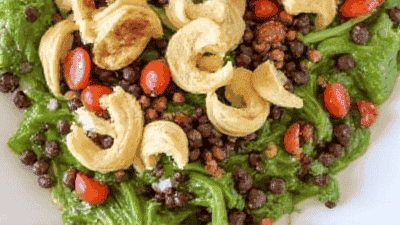
In a world that increasingly values sustainability and resourcefulness, one of the most effective ways to reduce food waste is by creatively repurposing leftovers. Sometimes, the most delicious meals come from unexpected combinations of ingredients that you might otherwise discard.
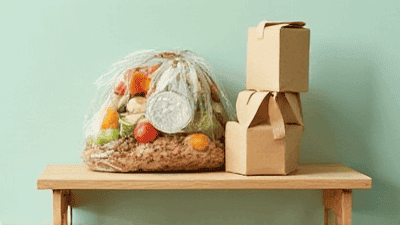
In our fast-paced world, food waste has become an alarming issue. According to the Food and Agriculture Organization, approximately one-third of food produced globally is wasted. One of the most impactful strategies for reducing waste at home is transforming leftovers into delicious, restaurant-quality meals.
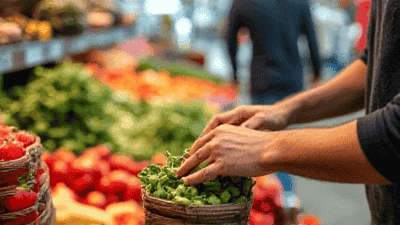
In a world increasingly driven by globalization, the rise of local food systems brings a refreshing perspective to our eating habits. Local ingredients not only offer a wealth of flavor and nutrition, but they also play a pivotal role in supporting community economies.
In an era where climate change is a pressing global challenge, individuals are increasingly looking for ways to make a positive impact on the environment. One of the most effective ways to do this is through diet.
In recent years, the farm-to-table movement has gained momentum as more people seek sustainable food sources that they can trust. Home gardening embodies this concept in the most personal way possible.